How to rent an apartment in Spain as a foreigner: a complete guide
Moving to Spain? Learn how to rent an apartment in Spain as a foreigner, navigate paperwork, find deposits, and save on fees with Wise.


Opening a bank account in Spain as a foreigner used to be a frustrating rite of passage.
Between navigating complex bureaucratic procedures and getting hit with unexpected fees, it was enough to give anyone a headache. Fortunately, banking in Spain has evolved.
Today, with the rise of digital onboarding, video ID verification, and more international-friendly options, getting your Spanish finances sorted is easier than ever.
This guide cuts through the noise, detailing the best banking options for non-residents and expats, the documents you'll need, and the step-by-step process to open your account.
We'll also cover modern alternatives like Wise, which can be a game-changer for managing your money across different currencies without the hefty fees.
| Key topic | Summary |
|---|---|
| Banking options | Foreigners can choose between traditional banks (like Santander, BBVA1, and Sabadell) or modern digital services (like N26 and Revolut) |
| Key documents | You will almost always need your passport and a Spanish Foreigner Identity Number (NIE). Some banks may ask for proof of address or income |
| The true cost | Traditional Spanish banks may charge maintenance fees ranging from €0 to €20 per month depending on residency status and whether account conditions are met |
| The process | Research your options, gather your documents, and apply via a smartphone app (using a selfie or video ID) or in person at a local branch2 |
| Non-Resident Accounts | If you plan to live in Spain long-term, make sure your chosen bank supports Bizum, Spain’s most widely used instant payment system3 |
Choosing the right bank really depends on your lifestyle.
Do you want the comfort of a local branch to discuss a Spanish mortgage, or do you prefer handling everything from a slick mobile app?
Here are the top options for foreigners living in Spain today:
Sabadell is a go-to for expats, especially those navigating the property market or settling on the Mediterranean coast. They've been catering to foreigners for years, offering specialized non-resident accounts (like the Key Account) and English-speaking staff in their branches.
This makes them a solid, traditional choice if you want in-person support for big financial moves like getting a mortgage and managing money in Spain from abroad3.
Want the best of both worlds? BBVA offers the reliability of a major Spanish bank with an intuitive mobile app.
You can handle nearly everything online, from opening your account via video call (a huge plus for newcomers) to managing daily expenses.
It's the perfect hybrid if you value digital convenience and physical branches1.
As one of the world's banking giants, Santander's biggest strength is its sheer scale. You'll find their branches and ATMs everywhere, which is a huge convenience.
They offer specific products for non-residents and are a reliable choice if you anticipate needing face-to-face support for more complicated international financial matters.
N26 is a game-changer for the mobile generation. You can open a free account with an IBAN from your phone in minutes; allowing non-residents to apply using a valid international passport, subject to the provider's standard identity and compliance verifications4.
It fully supports Bizum for easy payments and has a clean, user-friendly interface. For day-to-day banking without the bureaucracy, it's hard to beat.
Revolut excels at handling money across borders. With excellent exchange rates and multiple currencies, it's a must-have for anyone who deals with international clients.
While most users get an IBAN, think of it as the ultimate secondary account6.
Some old-school Spanish payrolls or utilities might still prefer a traditional bank, but for everything else, Revolut is fantastic.
(Note: International residents may find that conventional banks request more comprehensive documentation during the onboarding process compared to fully digital financial platforms.)
Choosing a bank isn't one-size-fits-all. The best bank for you depends on your situation. Are you a digital nomad who needs a flexible, low-fee online account? A future resident planning to buy property? Or maybe you're a student looking for a bank account for your year abroad. Different banks excel in different areas, so let’s break down which one might be your match.
| Profile | Recommended bank | Features |
|---|---|---|
| Students | BBVA | No maintenance fees for students, easy online account setup, and discounts on educational tools2 |
| Expats with residency | Santander | Personal attention, English-speaking staff, and accounts tailored for expatriates |
| Freelancers & entrepreneurs | N26 | Fully digital services, expense tracking tools, and seamless international transfers5 |
| Frequent travelers | Revolut | Low exchange rates, multi-currency wallets, and global payment options6 |
| Retirees | CaixaBank | Special packages for retirees, including pension management and accessible branch services |
Having your paperwork sorted is half the battle. While requirements vary slightly from bank to bank, here is what you generally need to open an account in Spain:
It’s always a good idea to call the bank branch ahead of your visit to confirm which documents you’ll need. This little step can save you from making multiple trips.
Opening a bank account in Spain isn't always free. Understanding common fees helps you choose the right bank and avoid surprise charges. Here’s a breakdown of what to expect:
Always read the fine print or ask a bank representative about the fee schedule before committing. This way, you can avoid unexpected charges and make the most of your money.
Opening a bank account in Spain might seem a bit intimidating, but it's pretty straightforward once you know what to do. Also, keep in mind that what you'll need to do depends strictly on whether you're a resident or non-resident; that’s why getting your documents in order is key.
First things first, you need to decide where you want to bank.
Are you looking for a modern, digital-only experience? Banks like N26 or Revolut are popular choices, offering sleek apps and easy online setup.
Or do you prefer the comfort of a traditional Spanish bank with physical branches you can walk into? In that case, check out Sabadell, BBVA, or CaixaBank3.
Consider what's important to you (low fees, English-speaking customer service, or a wide network of ATMs) and do a little online digging to see which bank fits your needs best.
Once you've picked your bank, it's time to get your paperwork in order. This is the most crucial part, so make sure you have everything ready to avoid delays. You'll need:
Now you're ready to apply! Thanks to modern digital KYC (Know Your Customer) processes, many banks allow you to open an account entirely online.
This usually involves filling out a form and verifying your identity with a selfie or a quick video call directly from your smartphone. If you prefer a face-to-face interaction or your chosen bank requires it, you'll need to book a cita previa (an appointment) at a local branch.
Don't just show up; booking in advance is essential in Spain.
Once your account is approved, the final step is to get everything up and running.
Your bank will send you your new debit card, and you'll need to activate it, usually through the bank's app or at an ATM. Once that's done, download the bank's mobile app.
A must-do is to link your new Spanish bank account and phone number to Bizum.
This is Spain’s version of Venmo or Zelle, and it’s a game-changer for instantly sending and receiving money with friends, paying for things, or splitting a dinner bill9.
| 👀 Read more: How to get residency in Spain |
|---|
Absolutely! Most major Spanish banks, including Sabadell, CaixaBank, and BBVA, offer specific “cuentas de no residente” (non-resident accounts)1.
These are designed for people who live in Spain for less than 183 days a year, whether you own a holiday home, are a student, or work remotely.
To open one, you'll still need your NIE and a “certificado de no residencia” (certificate of non-residency), which you can get from a Spanish police station.
Keep in mind that these accounts sometimes have higher maintenance fees than resident accounts, so it's worth shopping around.
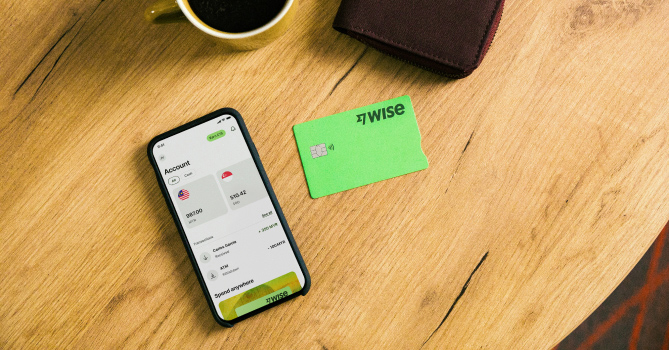
If you're navigating international banking and want to avoid the higher fees of traditional non-resident accounts, Wise could be a game-changer.
With Wise, you can send, spend, and receive money across borders effortlessly. Their multi-currency account allows you to hold and convert over 50 currencies at some of the best exchange rates available (without the hidden fees often charged by banks).
What makes Wise attractive is its transparency and simplicity. Wise simplifies this by verifying your identity through a fully digital onboarding process, removing the need to visit a physical office or obtain a physical non-residency certificate beforehand.
Plus, if you're paying bills in Spain or receiving income from abroad, the process is more cost-effective with Wise. It's a modern alternative for those who want flexibility, control, and minimal bureaucracy in managing their finances while living or working across borders.
With a digital service, you could complete the process in minutes4. Traditional banks often take one week due to document verification and in-person appointments.
Some banks may allow you to begin an application using only your passport, but in most cases, a Spanish NIE is required to gain access to a fully functional account.
Yes, it can be challenging. The NIE is a standard requirement for most Spanish banks, even for non-resident accounts, as it helps comply with national financial regulations.
Digital services like N26 are popular among digital nomads for their easy online setup, lack of hidden fees, and low international transaction costs. If you prefer a traditional bank, BBVA is a solid choice, thanks to its user-friendly app and network across Spain1.
Setting up your finances in Spain doesn't have to be a headache.
The key is to get your documents in order (especially that NIE number) and choose a bank that aligns with your lifestyle. Digital services like N26 and Wise are great for their low fees and user-friendly English apps, making them perfect for managing your money on the go.
If you prefer a bank with a strong physical presence, Sabadell offers services tailored to expats. By choosing wisely, you'll be handling your money like a local in no time.
*Please see terms of use and product availability for your region or visit Wise fees and pricing for the most up to date pricing and fee information.
This publication is provided for general information purposes and does not constitute legal, tax or other professional advice from Wise Payments Limited or its subsidiaries and its affiliates, and it is not intended as a substitute for obtaining advice from a financial advisor or any other professional.
We make no representations, warranties or guarantees, whether expressed or implied, that the content in the publication is accurate, complete or up to date.

Moving to Spain? Learn how to rent an apartment in Spain as a foreigner, navigate paperwork, find deposits, and save on fees with Wise.

How does the Spain wealth tax on assets held abroad affect expats? Learn about allowances, regional rules, and how to manage your global money.

Buying resale property in Spain? Read our complete 2026 guide to the itp tax spain, including regional rates, calculation rules, and how to pay it.

Learn which taxes foreigners pay in Spain, including IRPF, IRNR, Modelo 210, property taxes, residency rules, and the Beckham Law.

Own property or earn income in Spain? Learn about IRNR, Modelo 210, tax rates, filing deadlines, changes, and key rules for non-residents.

Learn how foreign pensions are taxed in Spain, when retirees must file IRPF, and how Wealth Tax, Modelo 720 and tax treaties may affect you.